Property type: Mixed Use
Mixed-Use Bridging Loans Sussex
We arrange bridging finance against mixed-use property across Sussex, from the Brighton Lanes and North Laine through the Lewes High Street and the Chichester PO19 city centre to the Horsham, Worthing and Eastbourne town-centre stock. Loan sizes run £200,000 to £8 million, terms 6 to 18 months, completions in 10 to 21 days. Mixed-use bridging is one of the strongest-performing parts of the book; pricing sits 0.7 to 1.2% per month depending on the commercial-to-residential mix and the credibility of the exit.
- Decisions in hours
- Completion in days
- £150k to £25m
- Sussex bridging desk
The asset class
What mixed use property looks like in Sussex.
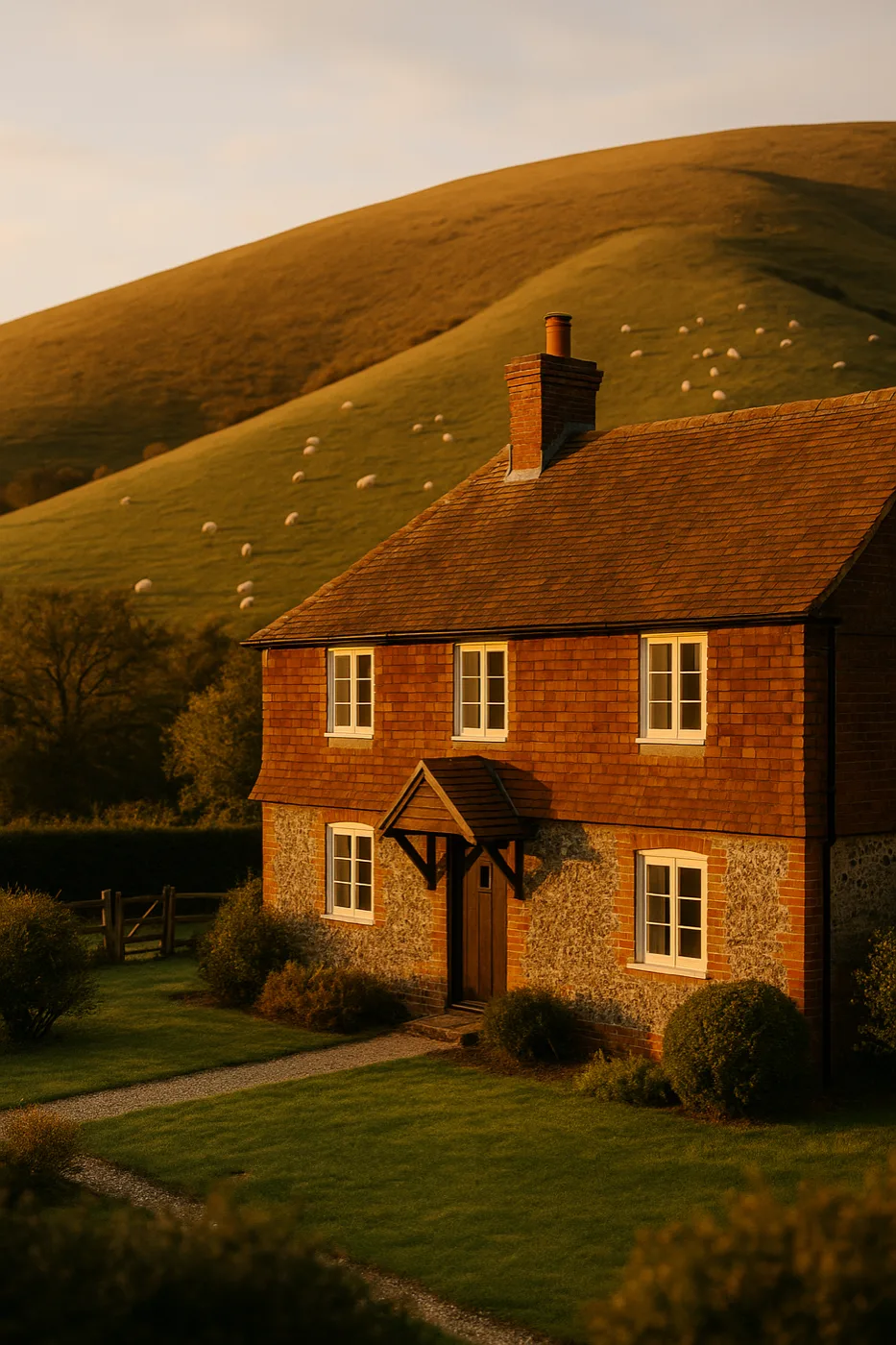
Mixed-use property in Sussex usually means a ground-floor commercial unit with one or more residential flats above. The commercial use is typically retail, food and beverage, or small office. The residential element is typically two to six flats. Mixed-use also covers larger buildings with a mix of commercial and residential floors, retail-with-HMO conversions, and pub-with-flats configurations. Each combination reads differently to a bridging lender. The income profile, the title structure (single freehold or split), the lease arrangements and the planning history all drive the underwriting.
Use cases
Bridging use cases for mixed use assets.
Mixed-use bridging cases in Sussex run across five repeat patterns. The first is auction purchase of a retail-with-flats freehold where the buyer plans a refurbishment, lease re-gear on the commercial unit, and a refinance to term commercial debt. The second is purchase of a fully-let mixed-use investment from a long-term landlord, often as part of a portfolio sale, with the bridge providing speed where term debt cannot. The third is conversion play where a vacant or partly-let mixed-use building is bought and converted to a higher residential density, with the commercial unit refurbished and the upper floors converted to flats. The fourth is lease re-gear cases where the existing commercial tenant is being repositioned and the bridge funds the gap. The fifth is capital raise against unencumbered mixed-use held by a long-term landlord, typically to fund the deposit for the next deal. The asset class reads as more bankable than pure secondary retail because the residential element adds value-stability.
Sussex context
Mixed-Use Stock from the Brighton Lanes to Lewes High Street
Sussex mixed-use property is concentrated along the historic high-street corridors and around the listed market-town cores. The Brighton Lanes and North Laine carry a dense run of independent retail-with-flats stock, with strong residential demand above and stable independent-retail and food-and-beverage tenants below. Western Road through BN1 and into Hove BN3 holds a slightly higher-value end of the same configuration. Lewes High Street carries the strongest mixed-use tone in East Sussex, with the Harvey's Brewery influence supporting a firm independent retail market and Regency and Georgian period stock above. The Chichester PO19 city centre runs mixed-use along East Street, South Street, North Street and West Street, with retail or food-and-beverage below and Edwardian and Georgian flats above. Horsham RH12, Haywards Heath RH16, Burgess Hill RH15 and the Crawley RH10 town centre all carry suburban high-street parades with retail-and-flat configurations on individual freeholds. Worthing BN11 has been through an active town-centre regen story that has lifted mixed-use stock. Eastbourne BN21, Bexhill TN40 and Bognor Regis PO21 carry seafront and town-centre mixed-use with tourism-led food-and-beverage below and residential above. Hastings TN34 Old Town carries a strong run of independent mixed-use stock. Lenders read mixed-use as a more stable asset class than pure secondary retail because the residential element holds value when commercial vacancy moves against the asset.
Valuation and lenders
Valuation and lender considerations.
Mixed-use valuations come back on a blended basis, with the commercial element valued on rent-and-yield or vacant-possession and the residential element valued on comparable evidence. Bridging lenders typically lend on the blended value, with LTV caps sitting at 65 to 75% on tenanted mixed-use investments with a recognisable commercial covenant, 60 to 70% on partly-vacant stock, and 65 to 70% on conversion plays. MT Finance, Octane Capital, Roma Finance, United Trust Bank, LendInvest, Hope Capital, Octopus Real Estate and Together all take mixed-use on bridging. Shawbrook, Allica Bank, Precise Mortgages and Kuflink are also active, particularly on the smaller end of the market.
What we arrange
What we typically arrange.
A typical mixed-use bridge sits at £300,000 to £2 million, 65 to 75% LTV, 9 to 15 months term, 0.7 to 1.15% per month, arrangement fee 1.5 to 2%. Conversion cases include a monitored works tranche. Exit is typically refinance to term commercial debt for retained mixed-use, refinance to BTL for the residential element after conversion, or sale to an investor. Completion in 14 to 21 days is normal where the title and tenancies are clean.
FAQs
Mixed Use bridging questions
Can we bridge a retail-with-flats freehold at auction in Sussex?
+
Yes, and these are some of the most common auction cases in the book. We arrange the purchase bridge at 65 to 75% of the blended value, complete inside the 28-day clock using title insurance where the title has any complexity, and refinance to term commercial debt or split-title BTL after lease re-gear. The mixed-use blend usually reads more favourably to bridging lenders than pure secondary retail, which helps the case price competitively, particularly on Brighton, Lewes and Chichester stock where the residential demand is strong.
How do lenders treat a mixed-use building with vacant upper floors for conversion?
+
The bridge typically funds the purchase against as-is blended value at 65 to 70% LTV plus a works tranche for the conversion of the upper floors, released against monitoring sign-off at staged completion. Permitted development from Class E commercial above ground floor to C3 residential has shortened the planning route for many of these schemes across Sussex. The exit is split between retained residential refinanced to BTL and any disposed units sold on the open market.
What rate range applies to mixed-use bridging across Sussex?
+
Tenanted mixed-use investments with a strong commercial covenant and a clear refinance exit price at 0.7 to 0.95% per month at 65 to 75% LTV. Partly-vacant or conversion-led cases price 0.95 to 1.2% per month at 60 to 70% LTV. Arrangement fees are 1.5 to 2%. The residential element of the blend typically makes mixed-use price softer than pure secondary retail, which is one of the reasons the asset class trades firmly at refinance.
Tell us about the deal
Indicative terms within 24 hours.
A short triage call, then a sized indicative offer against a named lender for your mixed use property in Sussex or across Sussex.
Regulated bridging on owner-occupied residential property falls under FCA regulation. Unregulated bridging on commercial and investment property does not. We are not directly regulated by the Financial Conduct Authority, and we introduce regulated cases to authorised partners who carry out the regulated activity.
Next step
Talk to a Sussex mixed use bridging specialist.
We arrange short-term finance on mixed use property across Sussex, covering East Sussex Council, West Sussex Council and the Brighton & Hove unitary area. Indicative terms in 24 hours.